Modern factories are full of data, but much of it remains locked in separate systems and assets. By bringing this data into a shared real-time view, Konecranes and Wärtsilä are using smart lifting technology and digital insights to improve material handling solutions, helping production teams spot bottlenecks and make better use of existing capacity.
“The world's biggest game of Tetris.”
That was the first impression when Konecranes experts first walked into Wärtsilä’s Sustainable Technology Hub in Vaasa, Finland. But unlike Tetris, where pieces only fall one way, here things move in several directions.
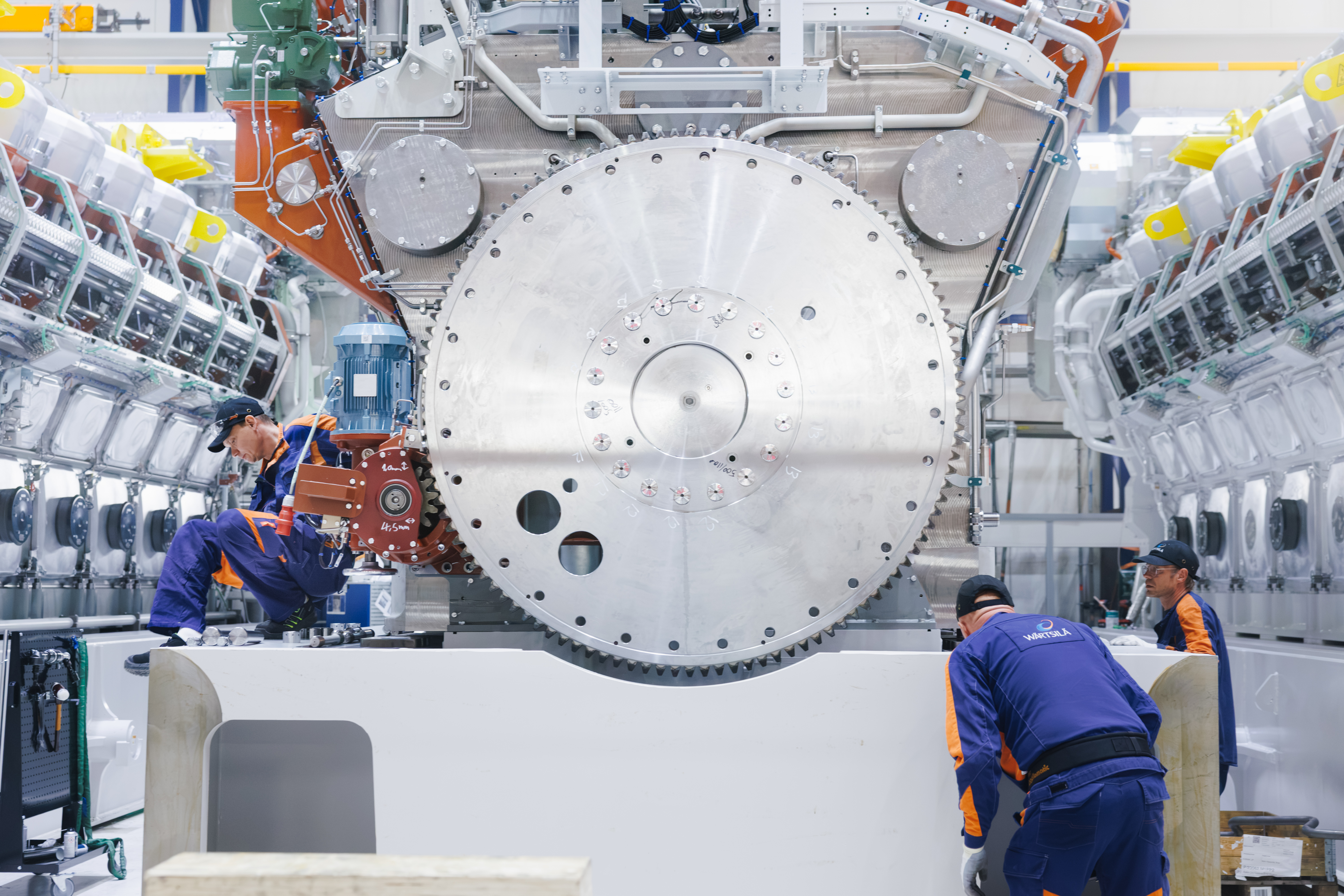
The factory is more like a bustling little city with people driving forklifts, robot trucks carrying tools, and cranes smoothly sliding at ceiling height. Large industrial engines are manufactured in multiple configurations and small production batches.
The same space accommodates assembly operations, testing, logistics and heavy lifting – the largest power engines weigh nearly 300 tons, roughly equivalent to three blue whales.
One industrial crane seemed to be constantly in use, raising the question of whether there is enough lifting capacity.
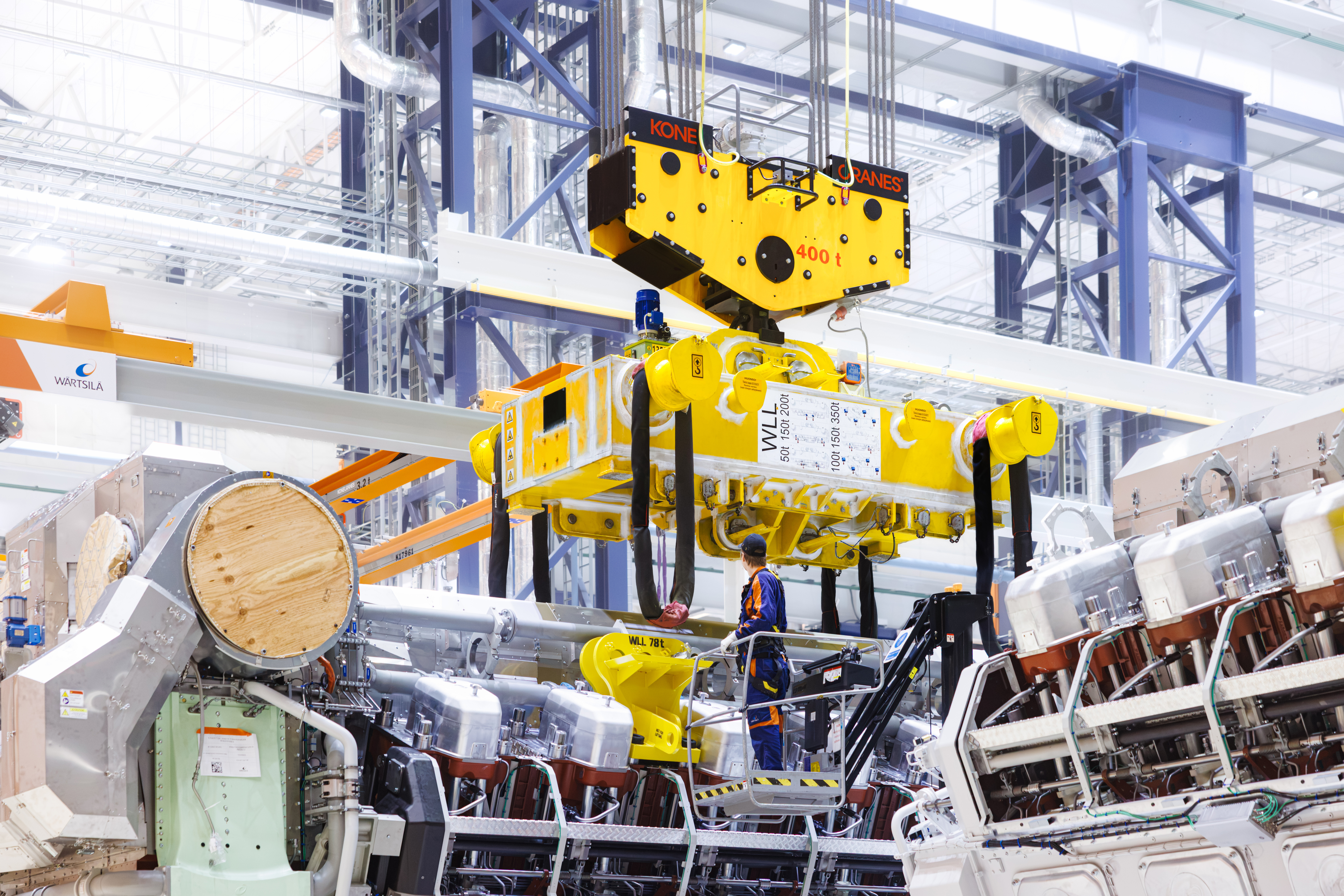
One industrial crane seemed to be constantly in use.
“There are many different departments and stakeholders sharing the same crane, and in some areas, we operate almost 24/7. As volumes increase, that is a recipe for possible conflicts,” says Markus Kirjarinta, General Manager, Operations at Wärtsilä’s Sustainable Technology Hub.
Wärtsilä has been facing significant growth due to the rising demand for fuel-flexible marine engines and engine-based power solutions for data centers.
Building on an ongoing collaboration, Konecranes and Wärtsilä began developing a better view of factory operations through data in 2024.
When first looking at the lifting data, several questions emerged. For example, what caused the peaks and long waiting times?
Answering those questions required looking beyond the crane itself and combining data from across the factory.
From optimizing assets to optimizing production flow
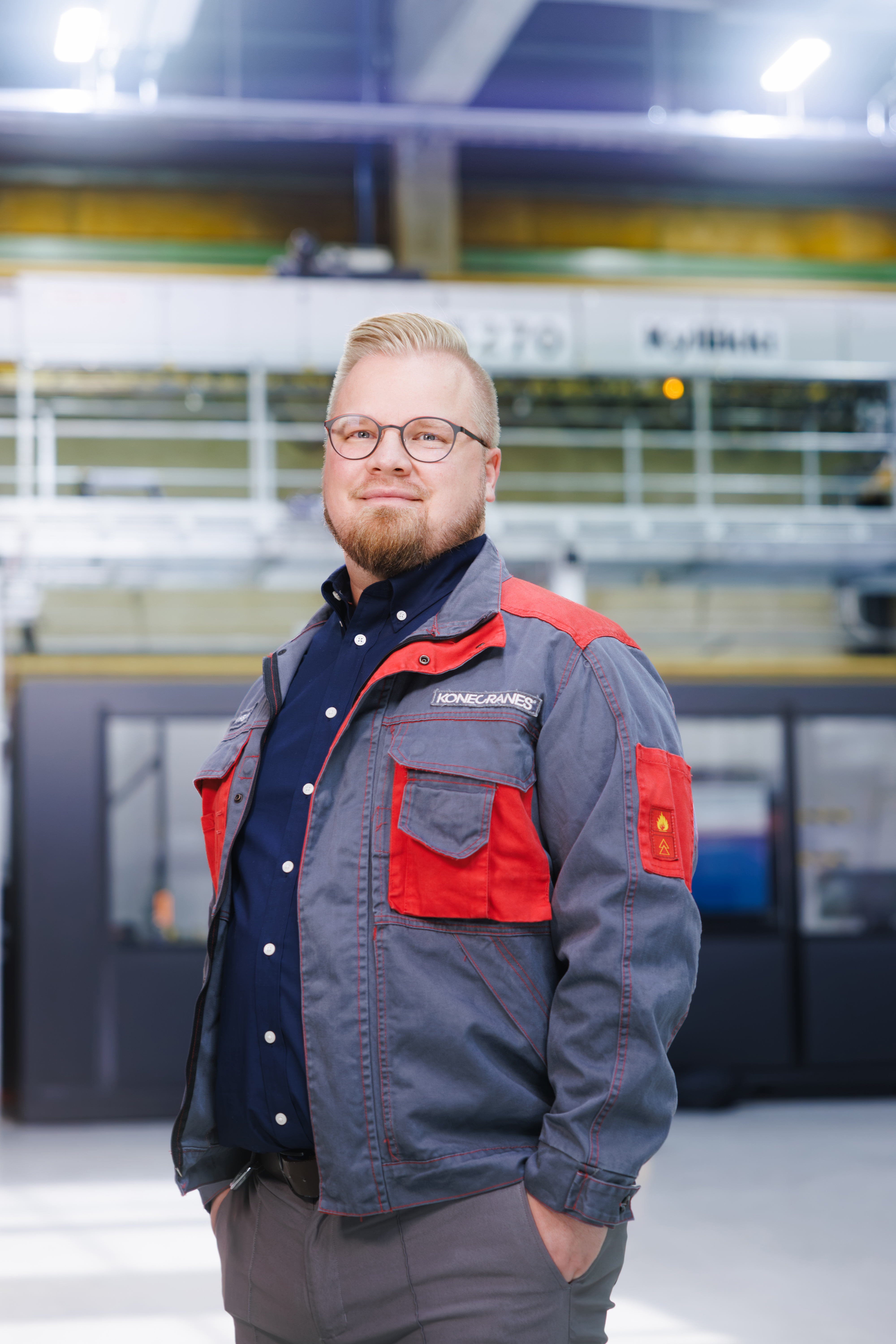
“Surprisingly many production and material handling challenges ultimately come down to visibility: where a component or critical tool is at any given moment, who is using it, what happens before and after a lift, and what the overall material flow looks like from receiving to shipping," says Henri Helkiö, Manager for material handling research at Konecranes.
Quite quickly it had turned out the issue wasn’t really the crane. The broader challenge was visibility across the production flow.
Modern factories generate vast amounts of data about individual machines and process steps. The industry has become very good at optimizing individual assets and processes.
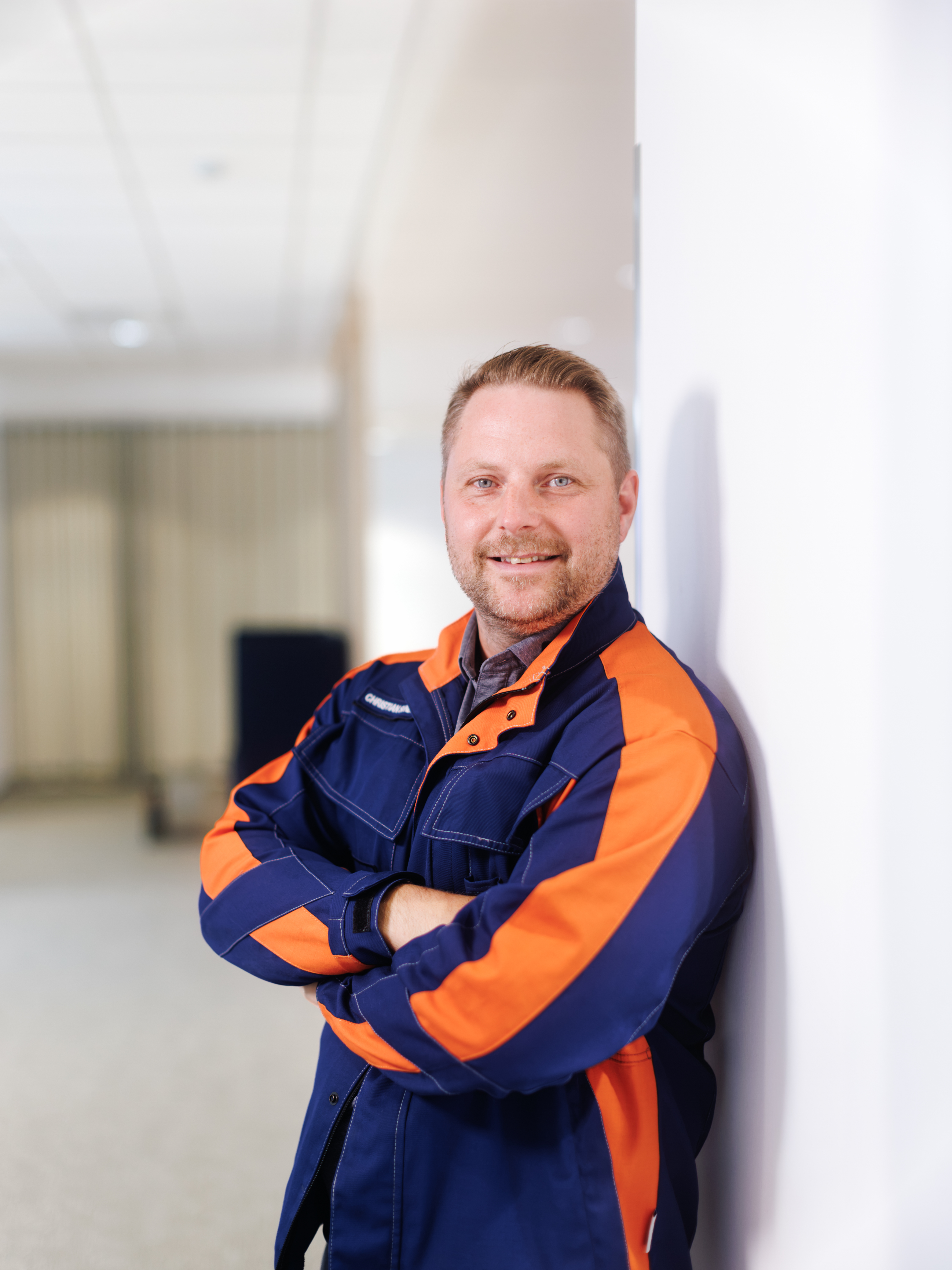
The production no longer takes place within a single company. It relies on a broader network of suppliers, technologies and partners. Yet data often remains locked within separate systems, assets and processes, reminds Christian Sundman, General Manager for Innovation at Wärtsilä.
"Today, there's data everywhere. The challenge is not collecting more but bringing it all together, in order to provide answers and constantly evolve behavior of the flow."
The challenge is not collecting more data but bringing it all together.
Connecting the pieces
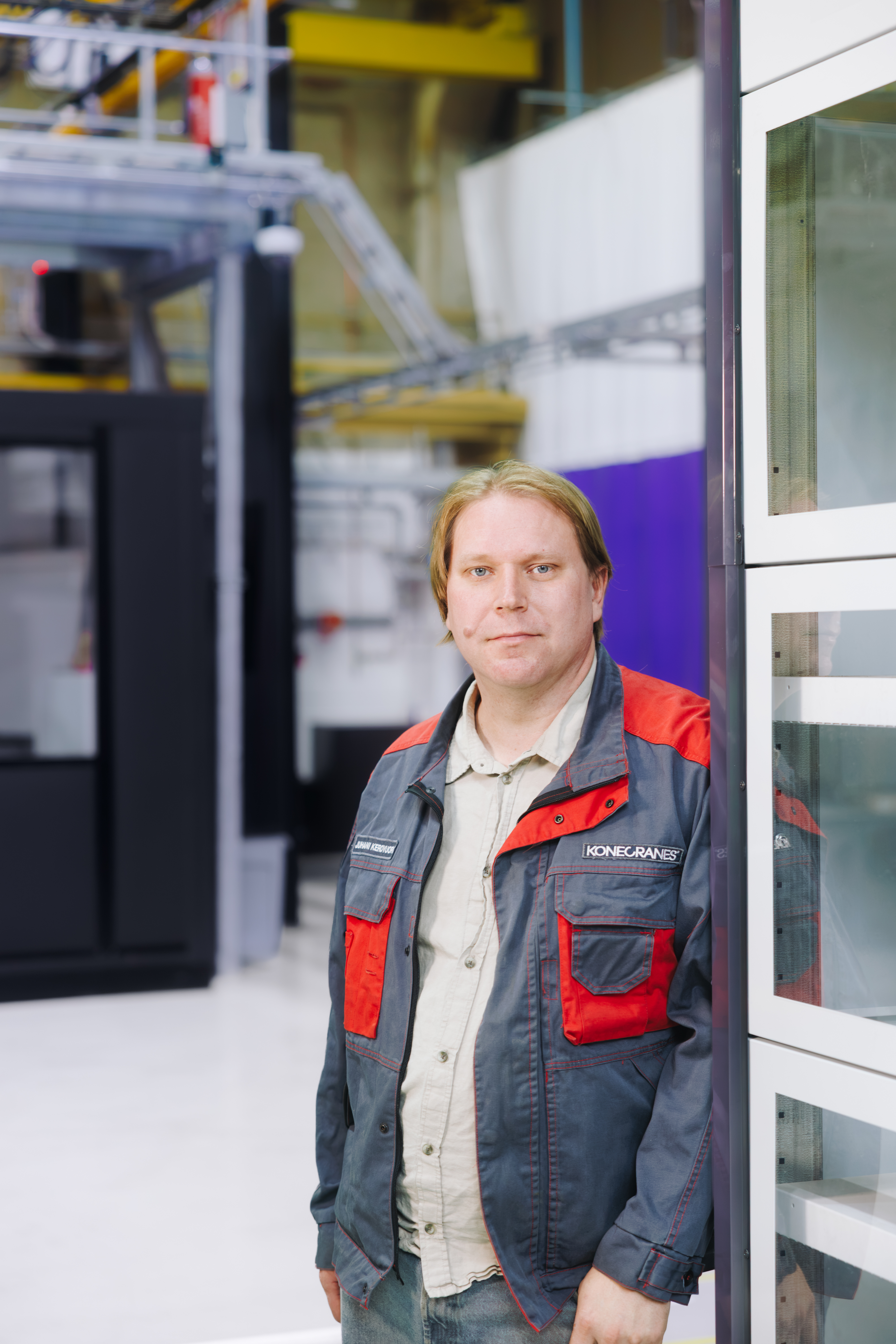
It is like everyone having their own piece of puzzle, sums Senior Research Engineer Juhani Kerovuori from Konecranes.
“Most companies are protective of their systems and data, and for good reasons: ownership, security and responsibility. But if those pieces never come together, the full picture never emerges.”
Through experimentation and co-development, Konecranes and Wärtsilä have created a digital production view and integration layer that makes it possible to combine data from these two companies and equipment, securely and safely, creating new opportunities for sustainable material handling.
Ensuring cyber security and safety in lifting operations meant meticulous coordination of licensing models and protocols but also building physical infrastructure for shared networks and digital boundaries between systems of two companies – starting with installing antennas, routers and industrial computers at crane height on the site.
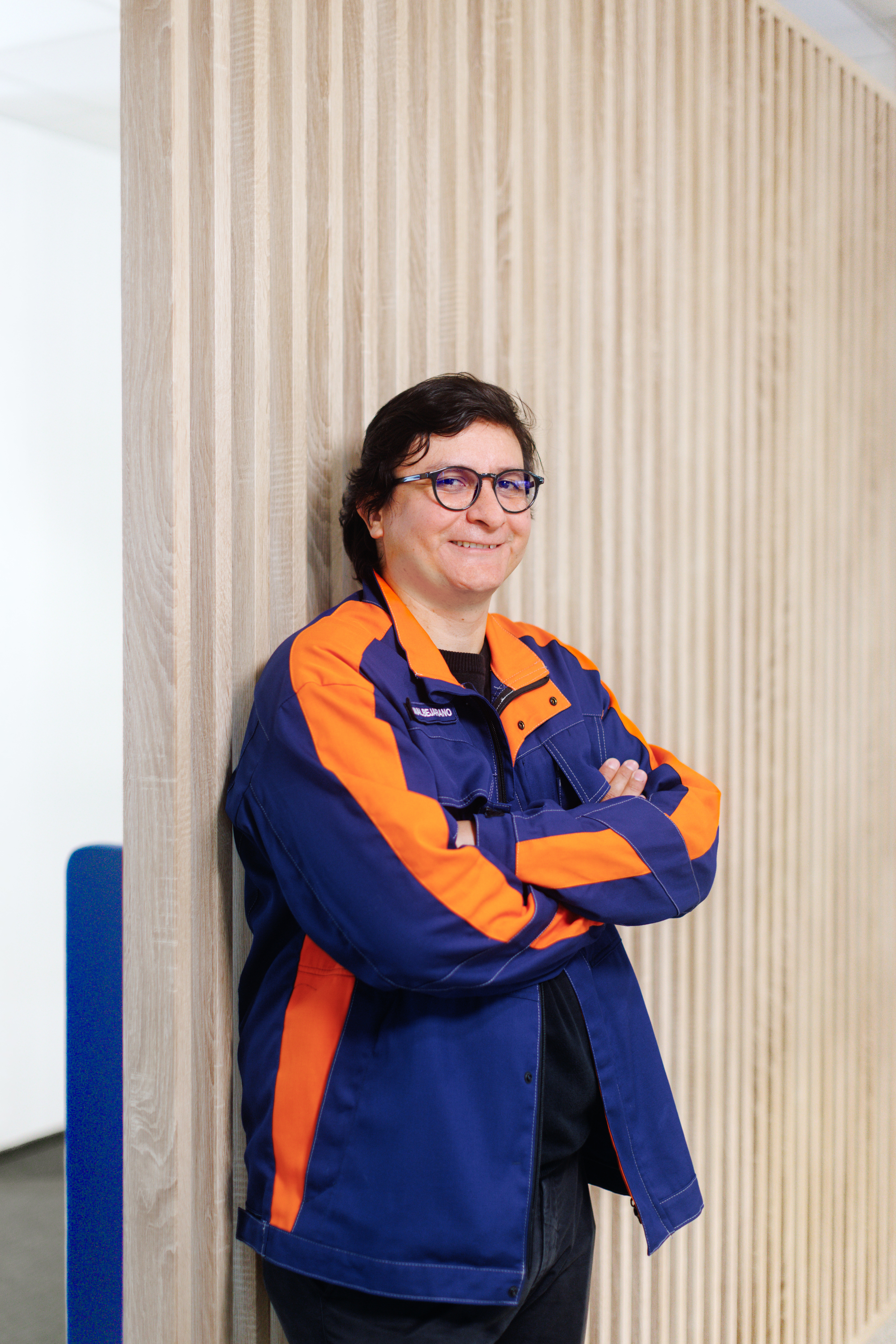
Both parties highlight the exceptional trust and can-do attitude demonstrated along the way.
Mutual trust and motivation for innovation are key, says Ronal Bejarano, OT-IT integrator at Wärtsilä.
“We have learned a lot together. It has been about listening, seeing and sharing. A big part of why this works is the expertise and resources Konecranes brings.”
Better decisions, better use of capacity
A better overall picture, enabled by smart lifting technology and connected factory data, makes it possible to increase capacity without investing in additional equipment, says Henri Helkiö.
"If we can use existing equipment more efficiently, avoid unnecessary movements and make better-informed decisions, we save resources, time and energy."
He can see this work eventually impacting everything from the order of tasks to how factory layouts are planned.
“These decisions are already made by highly skilled people, but with more data available, we may discover completely new and unexpected ways of working.”
The project is not just about optimization but people and everyday life on the shop floor, says Ronal Bejarano.
“If we can give the guys operating the cranes a more peaceful working day, then we have done our job. When operators are under pressure and working in a hurry, any tool that helps them focus on the most important tasks and what matters most is valuable.”
According to him, the solution can be scaled relatively easily. In the future, it can support agile decision-making for material flow planning across the entire factory. Bejarano and his colleagues are already placing indoor position trackers on various tools and assets to contextualize the existing lifting data and provide insights for planners and operators.
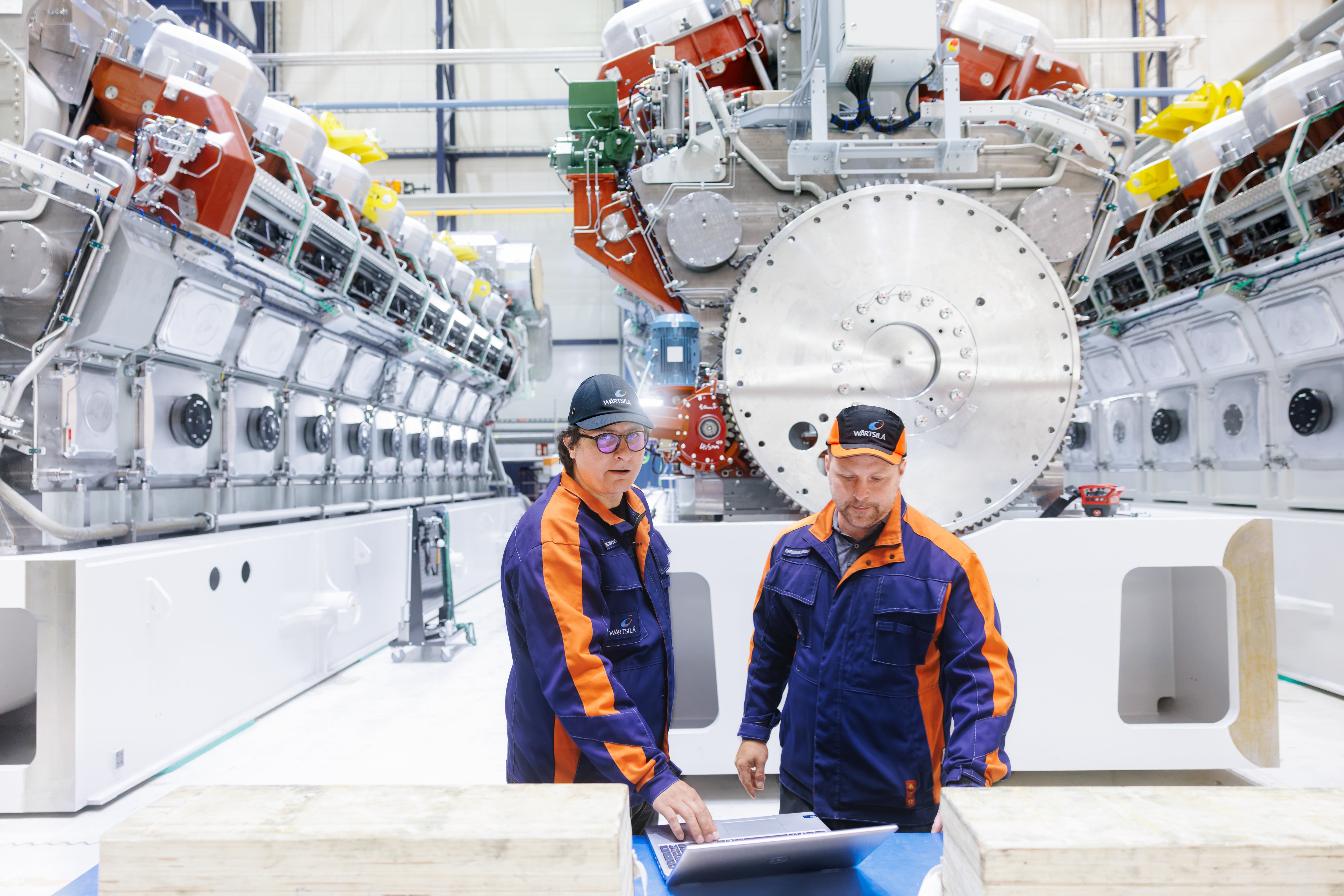
Christian Sundman has an even wider vision that he calls the “Linux of Manufacturing”: an industry-wide shift in how companies share data. A future where companies share a common foundation, whether through open interfaces, common standards or trusted ways of sharing information.
The future vision is an industry-wide shift in how companies share data.
Technology is not the constraint; question is how to move forward together faster.
“This would enable innovation, collaboration and faster digital transformation. Not only for large companies, but also for smaller manufacturers to get started and benefit from the same ecosystem.”
The collaboration is part of Business Finland-funded Zero4 program, that aims to increase industrial productivity through the sustainable improvement of material flows. The project, Deepening Integration in Manufacturing (DIM), strives to advance digitized material flows that connect automation islands, eco-efficiency, and employees to productivity development.
