Wire rope is one of the most critical components on an overhead crane. It's the link between the hoist and the load. And when it fails, the consequences can be serious. But here's the problem: wire rope can look perfectly fine on the outside while deteriorating on the inside, which means visual inspection alone doesn't always tell the full story.
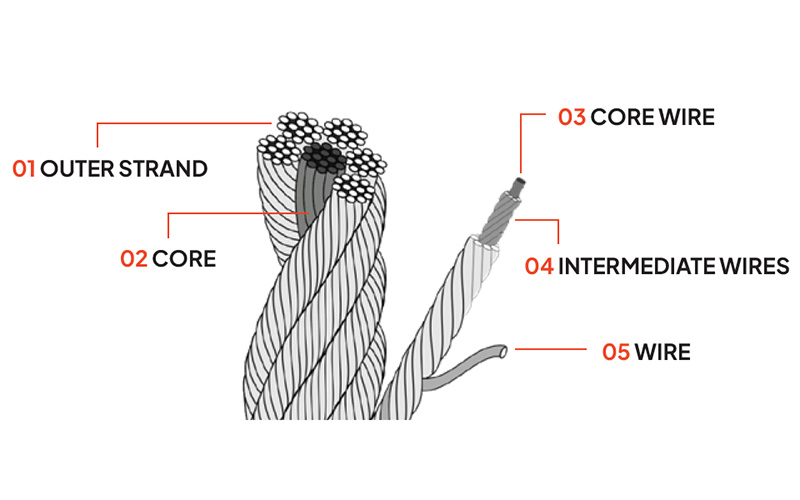
Understanding why starts with understanding how wire rope is made. Multiple steel wires are twisted together to form strands, and those strands are wound around a central core. That layered construction gives wire rope its remarkable strength and flexibility, but it also means the interior is hidden from view. Corrosion, fatigue and broken wires deep inside the rope are invisible until they've already done significant damage.
Why inspect wire ropes and why magnetic inspection?
 Regular wire rope inspection is essential for safe crane operation. Standards and regulations set minimum requirements, but the condition of a rope can change faster than a fixed inspection schedule anticipates—especially under heavy use, harsh conditions or after an unexpected event. Inspecting regularly, and inspecting thoroughly, is how you stay ahead of problems rather than react to them.
Magnetic rope inspection (MRT) gives you a level of confidence that visual inspection can't match. By magnetizing the rope and analyzing changes in the magnetic field, MRT detects both internal and external deterioration like broken wires, corrosion and material loss that are invisible to the naked eye.
A thorough inspection also looks beyond the rope itself. The drum, sheaves, end connections and rope clamps all affect how the rope wears and how long it lasts. Assessing these reeving system components at the same time gives a complete picture of the lifting system's condition and identifies anything that might be accelerating rope wear.
The result is documented, quantifiable data on your rope's actual condition. That's a more reliable basis for maintenance decisions than a visual check alone.
When should you consider a magnetic rope inspection?
Finding broken wires during a routine inspection is a clear prompt for magnetic rope inspection—but it's not the only one. Any situation where you need more certainty about rope condition than a visual check can provide, and where safety, uptime or cost decisions are at stake, makes a strong case for further investigation.
When incidents like a snagged load or load drop occur, the rope is subjected to forces well outside its normal operating envelope and the resulting internal wire breaks and structural damage often leave no visible trace. Returning a crane to service without a thorough inspection after either event is difficult to justify, and MRT provides documented evidence of the rope's actual condition rather than relying on surface appearance alone.
Heavy-use cranes accumulate wear quickly. Process cranes running multiple shifts every day put their wire ropes under constant stress, and the pace of deterioration can outrun a standard inspection schedule. For these cranes, more frequent and thorough inspection is simply part of keeping up.
Infrequently used cranes present a different problem. Sitting idle doesn't protect a wire rope. In fact, corrosion can develop in a rope that rarely moves, especially if it's exposed to humidity or chemical contamination. A crane that hasn't been used in months may look ready to go but have a rope that's quietly degraded.
Outdoor cranes and those operating in wet environments face exposure to conditions that accelerate corrosion. Water can penetrate and become trapped inside the rope, causing internal rusting that weakens it from the inside out, and making more rigorous rope monitoring a necessity.
Regular magnetic rope inspection and predictive maintenance
A single magnetic inspection is useful. A series of them, conducted at regular intervals, is more powerful. Because MRT generates quantifiable, recordable data, inspectors can compare results over time and track how quickly a rope is deteriorating. This shifts maintenance from reacting to issues or following fixed schedules to anticipating what’s coming next. It allows for predicting remaining rope life, planning replacements at the right time, and avoiding both unexpected failures and unnecessary changeouts.
Put simply, magnetic rope inspection is what makes predictive maintenance possible for wire ropes. It provides the real-time insight and historical data needed to move from “when should we inspect?” to “when will this rope need attention?” For maintenance and production managers, that kind of foresight reduces unplanned downtime, helps manage maintenance costs, and keeps the lifting system operating safely throughout the rope's service life.
Contact us to schedule a RopeQ Magnetic Rope Inspection.
Contact us
