Aapo Räsänen, Konecranes R&D sustainability engineer on turning life cycle assessments into better decision-making
The wisest thing we can do is use what we already have
I wouldn’t be too happy just making reports, it’s important that my work has an impact. What really makes me tick is providing understanding and guiding people to wiser decisions.
I work as a research and development engineer in Konecranes’ technology sustainability team, using environmental data to carry out life cycle assessments of industrial hoists and port equipment, as well as supporting R&D research cases.
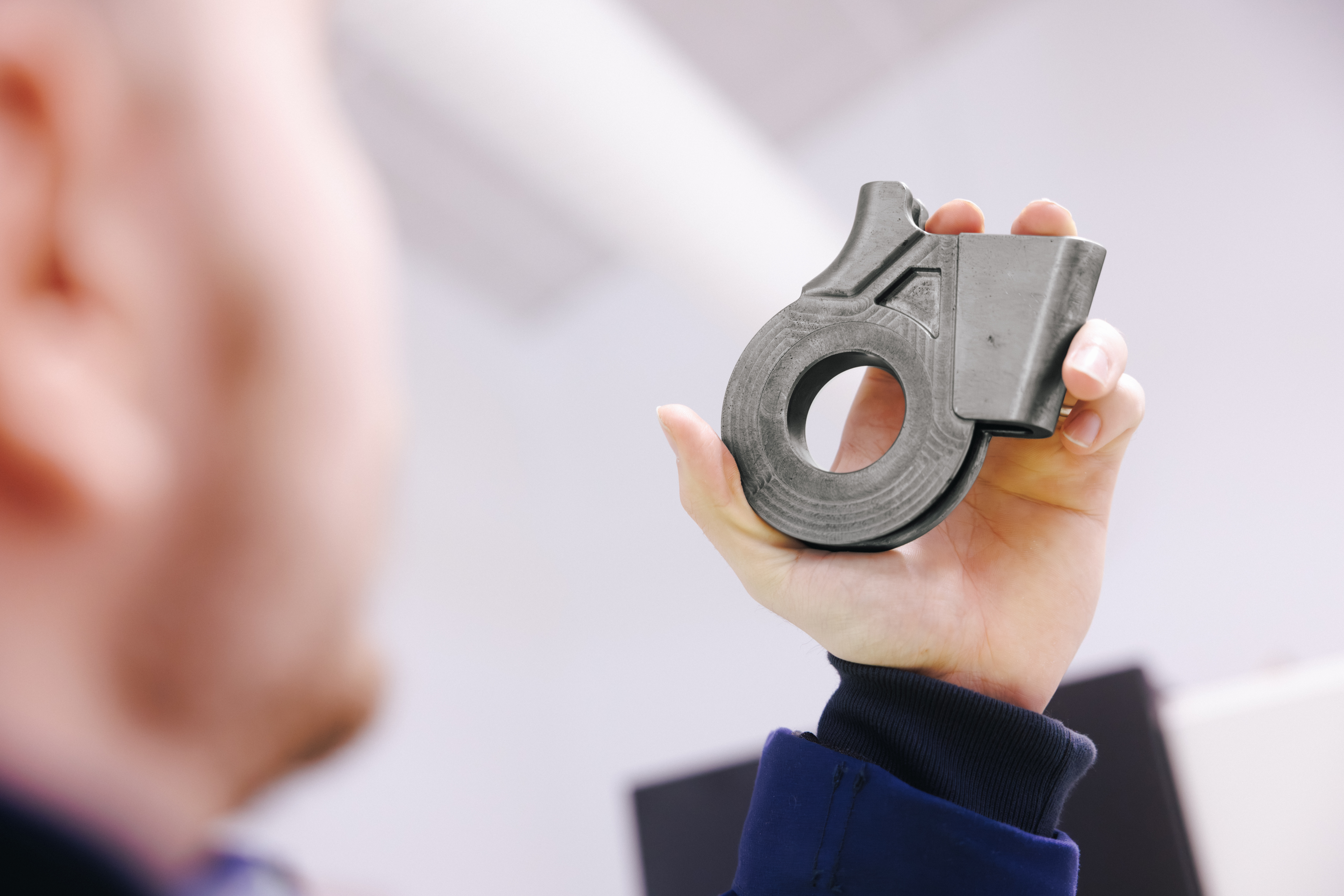
One area I enjoy investigating is the potential benefits of modernizing equipment and remanufacturing components that are already in use. This means taking technical data and turning it into information on climate impact.
For example, if a customer has a gear that breaks down, is it wiser to manufacture a new one, or to take the existing gear and fix, restore or upgrade it? I provide insights from an environmental perspective on whether either of these two processes makes sense in terms of CO₂ emissions. From a carbon-emissions standpoint, which process aligns better with sustainability goals?
What really makes me tick is providing understanding and guiding people to wiser decisions.
The challenge is often getting the right data. It requires looking at the project holistically: gathering and combining input from different teams, calculating the environmental impact and translating that into insights that decision-makers can use.
From an environmental perspective, it makes sense to keep an asset in use for as long as possible. Our work quantifies that benefit – that this is the wisest thing to do.

Industries are shifting towards circularity – and they need transparent data
Due to climate change, geopolitical shifts, and resource scarcity, industries are shifting towards circularity. Companies are increasingly expected to make data-driven decisions and provide environmental information about their products and operations. We now have customers directly asking: What is the carbon footprint of your solutions and equipment? They need this information for their own environmental reporting and targets.
Sometimes life cycle assessments are seen as something just for reporting, but they are practical business tools. They help us understand where we are today and how we can improve products and services, such as maintenance. For example, you can assess the benefits of predictive maintenance and compare its environmental impact to reactive maintenance in specific scenarios.
At the end of the day, we only have one planet to live on. It sounds corny, but it genuinely drives me.
I hope the information we provide offers understanding but also encourages a shift away from the ‘use and replace’ mindset. Consider, for example, a crane designed with a 20-year lifespan. While many components are traditionally replaced during that period, they could more often be remanufactured or repurposed, reducing waste and carbon impact.
At the end of the day, we only have one planet to live on. It sounds corny, but it genuinely drives me.
The work itself is intrinsically motivating, but so are my team and the people I work with. Across the company, we are ambitious about sustainability and there is no longer a need to prove it’s important. Because of that we can focus on the work, focus on what matters and what our customers actually need.
We can focus on the work, focus on what matters, and what our customers actually need.
I’ve worked at Konecranes for four years, and witnessing this shift within the company has been inspiring. Personally, I see my contribution as providing understanding during this transition toward an industry that is more conscious of environmental sustainability. And maybe, in a small way, pitching in my two cents to the bigger change that’s needed if we want to live well on this planet in the coming years.
Read more about our products and concepts: Supporting our customers in reaching their low-carbon targets
